Strong chipmaker earnings lifted tax revenue, giving Seoul its smallest nine-month deficit since 2018 and the biggest improvement on record.
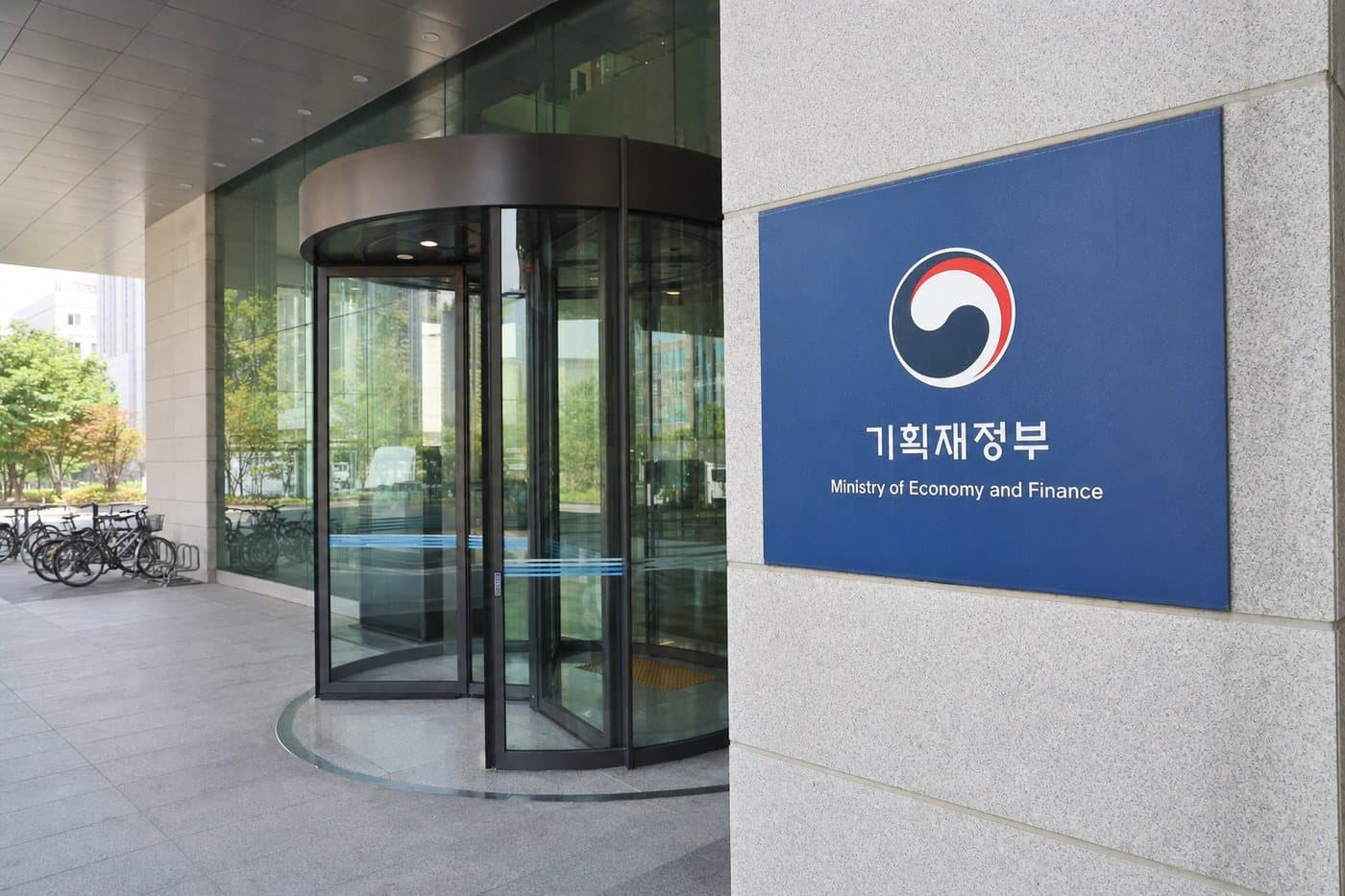
South Korea's public finances improved sharply in the first nine months of 2026 as strong company profits fed tax revenue, the Ministry of Planning and Budget said on Thursday, 12 November, according to Yonhap.
The managed fiscal balance, the stricter measure the government uses as its main gauge, showed a deficit of US$23 billion (32 trillion won) at the end of September. That is US$50.7 billion (70.5 trillion won) better than a year earlier, the largest improvement on record, and the smallest deficit for the period since 2018, when it was US$12.4 billion (17.3 trillion won).
Tax revenue for January to September reached US$277 billion (385 trillion won), up US$68.6 billion (95.4 trillion won). Corporate tax accounted for US$37.3 billion (51.9 trillion won) of the increase; in September alone, corporate tax revenue rose US$17 billion (23.6 trillion won) to US$26 billion (36.2 trillion won), helped by interim payments from chipmakers including Samsung Electronics and SK hynix. Income tax rose US$11.3 billion (15.7 trillion won) on company bonuses and more housing transactions.
Spending also grew: total expenditure was US$420.8 billion (584.9 trillion won), US$29.3 billion (40.7 trillion won) more than a year earlier. Central government debt stood at US$985.2 billion (1,369.4 trillion won) at the end of September, down US$1.9 billion (2.7 trillion won) from August.