
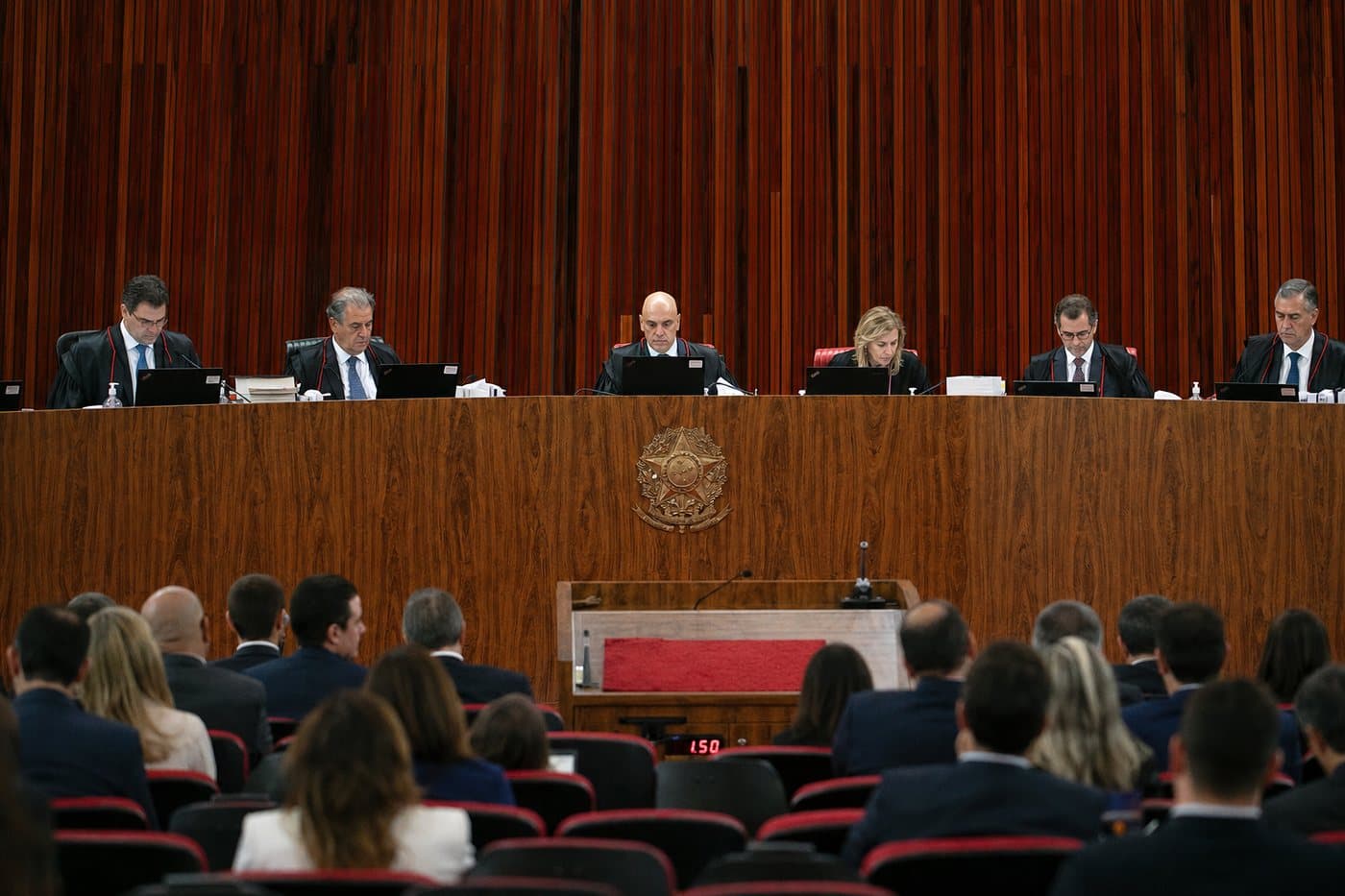
Brazil's Superior Electoral Court unanimously fined Meta US$1.3 million (7.5 million reais) for incomplete and late answers to its orders during the presidential campaign, but found no evidence so far of deliberate bias.
Brazil's Superior Electoral Court (TSE) ruled unanimously on Tuesday, 10 November, to fine Meta US$1.3 million (7.5 million reais) for failing to comply fully with court orders during this year's presidential election campaign, Agência Brasil and Reuters, via CNA, report.
The case began with a complaint from the "Brasil Pronto Pra Mais" coalition, which backed the re-election of President Luiz Inácio Lula da Silva. It accused Meta of limiting the reach of Lula's content and favouring the campaign of his defeated rival, Senator Flávio Bolsonaro of the Liberal Party. The coalition's lawyer, Angelo Longo Ferraro, cited ads paid for with money from abroad, negative advertising made with artificial intelligence and the removal of recommendations for posts favourable to Lula. "An ongoing error is a pattern," he told the court.
Justice Marco Aurélio Bellizze, the rapporteur, said he had ordered 17 measures requiring Meta to explain itself during the elections, and that the company's answers were incomplete, partly in a foreign language, in aggregated data and in generic statements. According to CNA, he found that parts of the orders were not complied with, only partly fulfilled or carried out late, but wrote that there were "no elements allowing us to conclude, on a preliminary basis, that there was deliberate action to unbalance the election." Six other justices, including the court's president, Kassio Nunes Marques, agreed.
The amount is made up of daily fines: US$89,000 (500,000 reais) a day from 17 to 19 October and US$179,000 (1 million reais) a day from 20 to 25 October. The fine does not close the case; the court will keep examining whether Meta favoured any candidate, with no deadline for a final ruling.
Meta's lawyers called the allegations "false and unfounded", and the company said it applies the same rules to all candidates and parties and will defend itself in the proceedings. Civil-society groups have written to Lula asking for rules on platforms, and Lula, who won re-election, said in his victory speech that the platforms would have to be regulated.