
Washington cites excess industrial capacity in proposing duties that reach China, the EU and Japan.
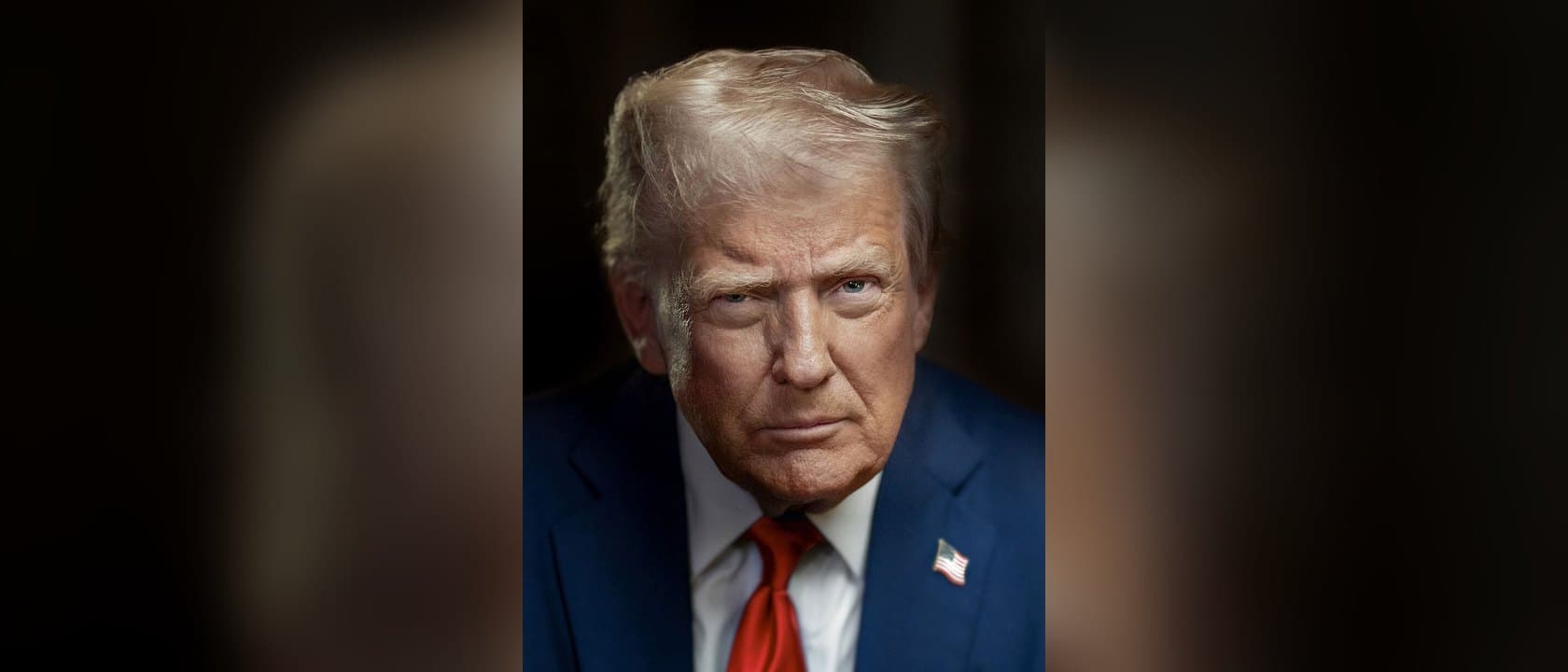
President Donald Trump's administration on Wednesday set out proposed duties on 14 trading partners. Its stated target is excess industrial capacity. The Office of the US Trade Representative (USTR) first investigated for eight months, BusinessDay Nigeria reports. The legal basis is now Section 301 of the Trade Act of 1974. In February, the Supreme Court threw out Trump's broad emergency-law tariffs.
China's rate would be capped at 20% under the present truce, which runs out on January 10. If it collapses, the cap becomes 40%. Japan, South Korea, Taiwan, Switzerland and the EU would get 15%, counting most-favoured-nation duties. Vietnam would be capped at 20% with a trade deal and 35% if talks fail. On the same basis, India would get 17% or 25%. Cambodia, Indonesia, Malaysia, Thailand and Bangladesh would face 18%, and Singapore up to 10%.
The USTR says some sector tariffs, including steel, aluminium and cars, would not stack with these. Chinese goods worth about US$30 billion, now weighed for tariff relief, would be exempt, Business Insider Africa reports. China's Foreign Ministry calls overcapacity a false issue.
Published under the editorial responsibility of Kelly Moon, Editor-in-Chief